
What if spending an afternoon at a museum or enjoying a live concert could do more than lift your mood? New research suggests these simple outings may also help your body age more slowly. Scientists are finding that cultural activities offer real health benefits, especially for older adults.
The idea might sound surprising, but the evidence keeps growing. Several recent studies found that people who regularly visit museums, concerts, theaters, or the cinema tend to have a younger biological age than those who rarely take part. While these activities cannot stop aging, they may help the body stay healthier for longer.
Biological age is different from the number of candles on your birthday cake. It reflects how well your body is functioning based on factors like heart health, inflammation, and physical condition. A person who is 70 years old may have the biological health of someone several years younger. That difference could mean a lower risk of disease and a better quality of life.
Researchers believe cultural activities may become another important piece of healthy aging. Alongside exercise, healthy eating, and good sleep, spending time with art, music, and live performances may offer benefits that many people have overlooked.
Research Shows a Strong Link Between Culture and Healthy Aging

Kampus / Pexels / One of the largest studies looked at data from more than 4,400 adults aged 50 and older who participated in the English Longitudinal Study of Aging.
Researchers tracked their health over several years while examining how often they attended cultural events. The results were hard to ignore.
Older adults who visited museums, concerts, theaters, or cinemas every few months or more had a biological age that was about two years younger than people who never took part. Even more impressive, those differences remained visible four and eight years later. The long-term pattern suggests that regular cultural engagement may have lasting health benefits.
Another study involving nearly 2,000 participants reached similar conclusions. People with the highest level of cultural participation had an average physiological age of 66.9 years. Those with the lowest participation measured an average physiological age of 69.9 years. That three-year gap highlights the potential impact of staying socially and mentally active.
Researchers also noticed that the benefits appeared across different activities. Visiting an art museum, watching a live concert, attending a theater performance, or enjoying a movie all showed similar positive associations. The common factor was meaningful cultural engagement rather than one specific activity.
Arts and Entertainment May Keep the Body Younger
Scientists believe stress reduction plays a major role. Spending time enjoying music, art, or storytelling allows people to relax and disconnect from daily worries. Lower stress levels can reduce the release of harmful stress hormones while helping lower blood pressure and heart rate. Over time, these effects may protect the body from faster biological aging.
Chronic inflammation is another important piece of the puzzle. Long-lasting inflammation has been linked to heart disease, diabetes, memory problems, and many age-related conditions. Activities that reduce stress may also lower inflammation, creating a healthier environment inside the body.
Professor Daisy Fancourt of University College London, one of the leading researchers in this field, believes arts engagement deserves recognition as a health-promoting habit. She notes that its impact may be similar to the benefits seen with regular physical activity. That comparison shows just how valuable these simple experiences can become.
Small Habits Can Deliver Lasting Benefits
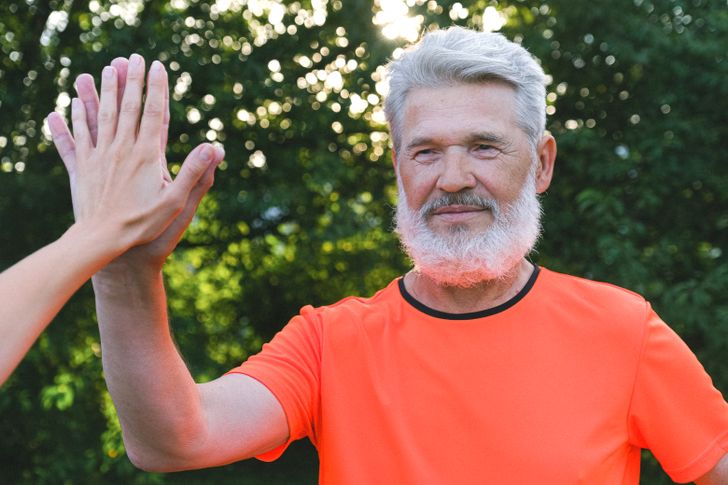
Shvets / Pexels / People who attended cultural events every few months or more often generally experienced stronger benefits than those who rarely participated.
Weekly engagement was linked to an even slower pace of biological aging, although the improvements appeared to level off with very frequent participation.
One analysis found that weekly arts engagement was associated with a four percent slower pace of aging compared with people who rarely took part. Researchers noted that this difference was similar to the gap often seen between people who exercise regularly and those who do not. That comparison places cultural activities alongside other well-known healthy habits.