
Michelle Obama has never been shy about sharing practical life lessons. Her latest piece of financial advice is simple, but it carries a lot of weight. Speaking during a live recording at “SXSW London,” Obama revealed the money philosophy she has passed on to her daughters, Malia and Sasha: “Get used to living smaller than you need to.”
At first glance, the advice sounds old-fashioned. In reality, it speaks directly to a modern problem. Many people earn more money over time, and then quickly raise their spending to match. Bigger homes, pricier cars, and endless monthly bills can quietly limit future choices. Obama’s message challenges that habit.
The conversation took place during a live appearance with her brother, Craig Robinson, connected to their podcast, "IMO." While the discussion covered careers, courage, and personal growth, one financial lesson stood out. Obama argued that living below your means creates room to move when life changes direction.
Living Smaller Creates Bigger Opportunities
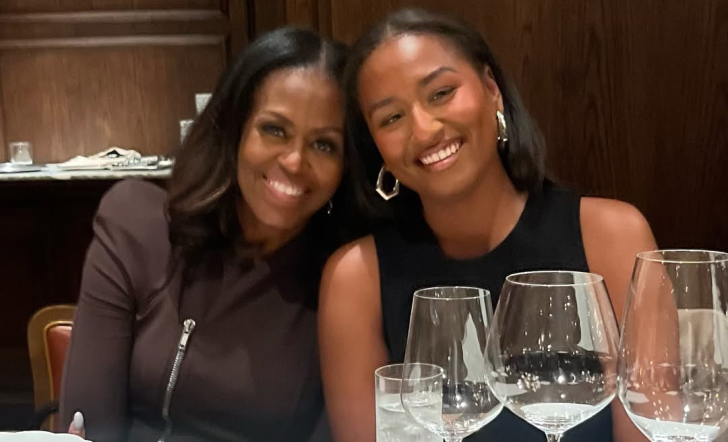
Michelle / IG / Michelle Obama’s advice is all about building flexibility. When expenses stay manageable, people gain the freedom to make decisions based on what they want, not just what they can afford.
The former first lady, 62, explained that keeping costs lower allows someone to pursue opportunities that may not offer an immediate financial reward. A new career path, a business idea, or a personal project becomes easier to consider when monthly obligations are not overwhelming. Financial breathing room creates options.
Many people feel pressure to keep upgrading their lifestyle as their income grows. The larger paycheck often disappears into larger commitments. Before long, stepping away from a high-paying role feels impossible because too many expenses depend on it.
Obama encourages a different approach. Instead of stretching every dollar to its limit, she suggests maintaining a comfortable gap between income and spending. That gap can become savings, investments, or simply a cushion for future decisions.
Escaping the “Golden Handcuffs”
One of the most memorable parts of Obama’s remarks was her warning about what she called “golden handcuffs.” The phrase describes a situation where a person earns a high income but becomes trapped by the lifestyle that income supports.
A high salary can look impressive from the outside. Yet it can create pressure to stay in a job that no longer feels rewarding. Mortgage payments, luxury purchases, and growing financial commitments can make career changes feel risky.
Obama believes living smaller helps prevent that trap. Lower expenses reduce dependence on a specific paycheck. That makes it easier to leave an unfulfilling position or pursue something more meaningful. Her perspective comes from personal experience. Before becoming First Lady, Obama made a major career shift. She left the legal profession and moved into work that better matched her interests and values.
The transition involved a significant pay cut. For many people, that would have been a deal breaker. Obama was able to make the move because she understood the value of financial flexibility.
Have the Confidence to Take Risks
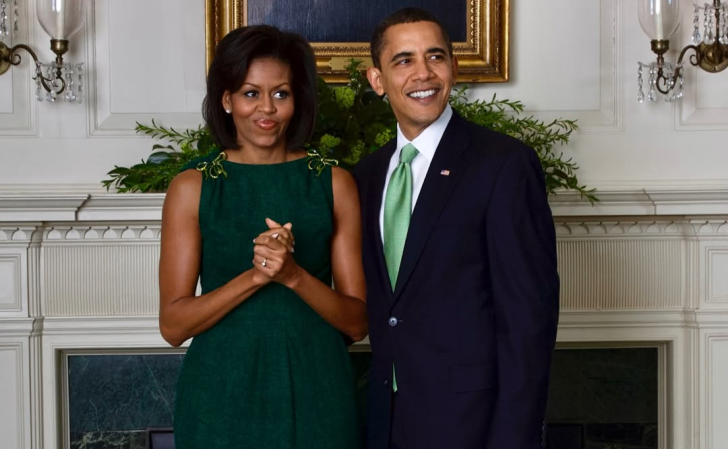
Michelle / IG / Michelle Obama also spoke about the importance of independence and resilience. She credited her parents with teaching her and her brother how to navigate challenges on their own.
Rather than solving every problem for their children, her parents allowed them to learn through experience. They understood that setbacks are often the best teachers. That lesson stayed with Obama throughout her life.
Financial discipline and personal confidence are closely connected. Living below your means requires patience and self-control. It also requires the confidence to ignore outside pressure.
Many people spend money to meet expectations created by friends, coworkers, or social media. Bigger often appears better. Success is frequently measured by visible purchases instead of personal fulfillment.